A letter from HMRC is rarely as bad as it looks

Published 1 August 2026· Reviewed against gov.uk 25 August 2026· 5 min read·HMRC and compliance
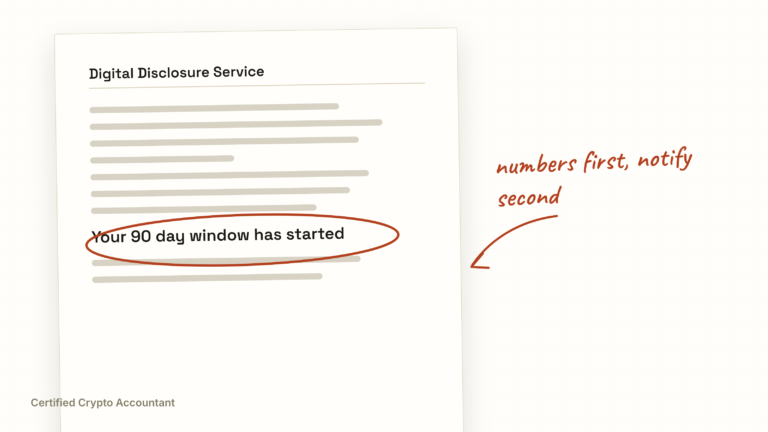
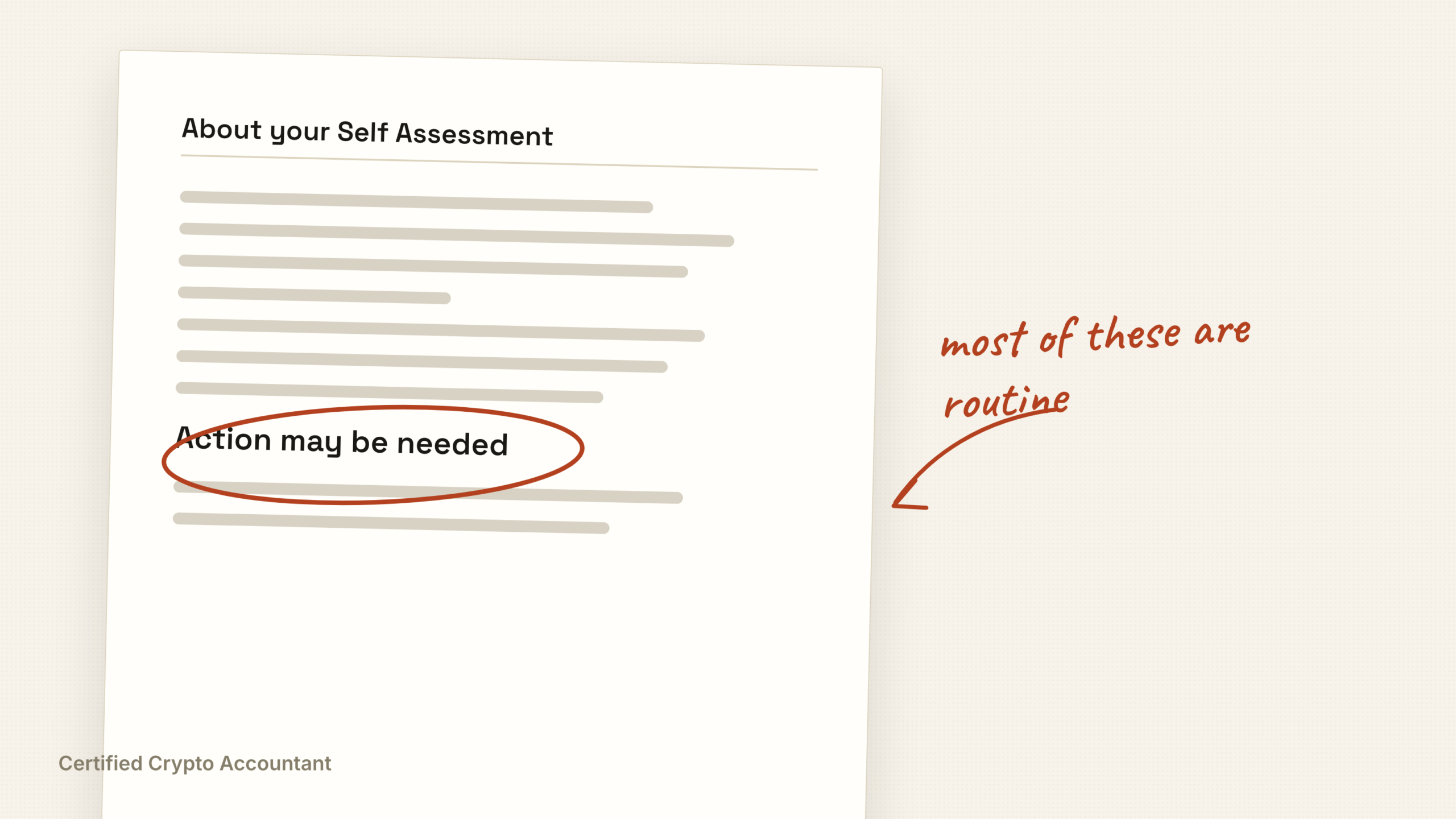
Most letters from HMRC are routine, a tax code change, a P800 calculation, a payment reminder, and only a small number, the compliance checks and formal enquiries, need anything more than a careful read. The skill is telling one from the other in the first minute, and HMRC publishes a live list of the letters it is genuinely sending right now, so any letter can be checked against it before you act. The two worst responses remain panic and the bin.
This post walks through the letters we see most, what each one actually means, and what to do in the first week.
The letters that are routine
A tax code notice. HMRC recalculates your tax code when something about your income changes, a new job, a benefit in kind, untaxed interest from your bank. The letter tells your employer how much to deduct. Check the numbers rather than filing it, because tax codes are wrong often enough that checking pays. If the code includes a deduction you do not recognise, that is worth a phone call.
A P800 tax calculation. This arrives after the tax year ends and says you paid too much or too little through PAYE. If you overpaid, you claim the refund on GOV.UK. If you underpaid, HMRC usually collects through next year’s tax code. Nothing about a P800 is an accusation.
A simple assessment. Similar territory, but this one is a bill. HMRC works out tax it believes you owe, commonly on savings interest or state pension, and asks you to pay it directly rather than through a return. You have the right to query the figures, and you should check them, because the calculation only knows what has been reported to it.
The letters that need attention this week
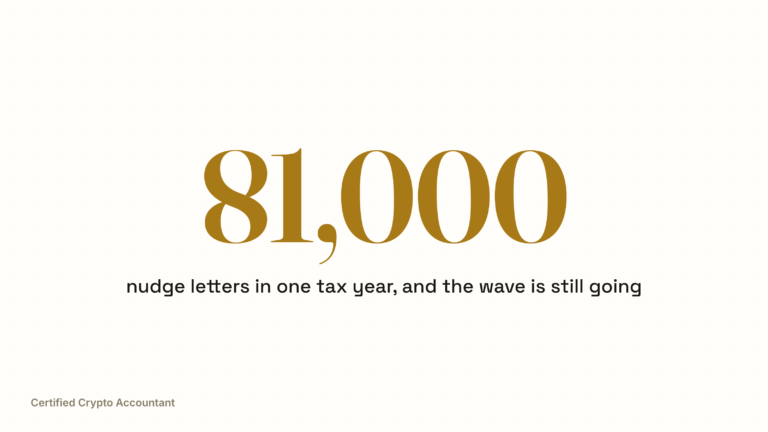
A nudge letter. One-page, polite, and usually says HMRC “has information” suggesting you may have income or gains to declare. Crypto holders have been receiving these in waves. It is a prompt rather than an investigation, but it means their data already points at you, and the response window matters. We wrote a full guide to what a nudge letter means and how to respond.
A compliance check opening letter. This one says HMRC is checking your return, sometimes a single entry, sometimes the whole thing. It will ask for documents and set a deadline. Do not send anything before you understand the scope of what is being asked, and consider representation early, because what you send frames everything after. Our guide to what happens during an HMRC enquiry covers the stages and the timescales.
A debt letter. Reminders escalate, from statements to warnings about enforcement. These are the letters where ignoring genuinely makes things worse, because HMRC’s collection powers step up with each stage. If you cannot pay, a time to pay arrangement is available and is far better sought before the deadline than after it.
First, check it is real
Scam letters, texts and emails dressed as HMRC are common, and they cluster around deadlines when a message about tax feels plausible. The tells are pressure and prizes. Genuine HMRC letters do not threaten arrest, and they do not offer a refund in exchange for your bank details. HMRC publishes a checklist for spotting fake contact, and anything suspicious can be forwarded to phishing@hmrc.gov.uk. If a letter asks you to call a number, find the official number on GOV.UK independently instead of dialling what is printed.
What to do in the first week
Read the whole letter, including the reference numbers. Note the deadline, most HMRC letters give 30 days and some give less. Match the reference against your own records, your National Insurance number, your UTR if you file returns. Then decide whether this is a check-the-numbers letter or a get-help letter.
The dividing line is simple enough. If the letter is about tax already calculated on income HMRC can see, you are checking arithmetic. If it invites you to disclose something, questions a return, or opens a check, the wording of your reply carries weight, and that is the point where an hour of professional time is worth more than any amount of internet research. If crypto is anywhere in the picture, the disclosure routes have their own rules, which we cover in our guide to telling HMRC before HMRC asks you.
What you should not do is ring the helpline unprepared, agree figures on the phone, or reply in writing before you know whether the figures are actually right. HMRC’s numbers come from data feeds, and data feeds are wrong more often than people expect.
Questions we hear about HMRC letters
Why would HMRC write to me if I am on PAYE?
Usually because something outside your payslip reached them. Bank interest, a platform reporting your selling activity, dividends, or a gap between what an employer reported and what your code assumed. PAYE covers the salary, and the letters cover everything else.
Does a letter mean I am being investigated?
Almost always no. Tax codes, calculations and assessments are administration. The letters that open a check say so explicitly, and even a nudge letter is a prompt rather than an enquiry. What turns a prompt into an enquiry is usually the quality of the response.
What happens if I ignore it?
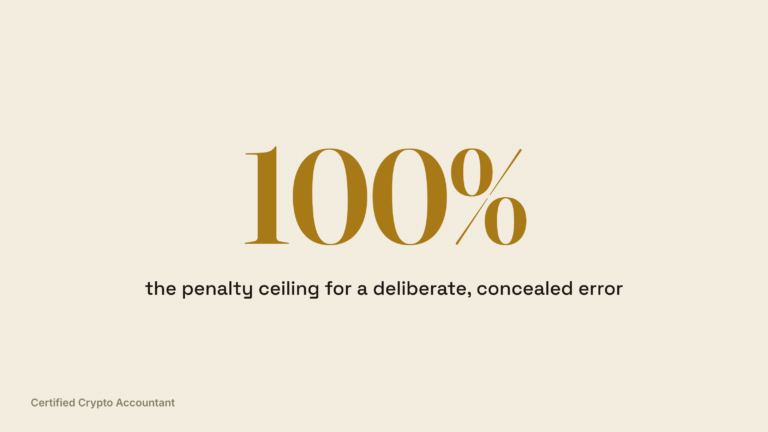
Depends entirely on the letter. Ignore a P800 refund and you lose nothing but the money. Ignore a simple assessment and the debt process starts. Ignore a nudge letter or a compliance check and you hand HMRC the argument that any error was deliberate, which changes the penalty range badly.
Should I keep the letter?
Yes, and the envelope too if the dates matter. Deadlines run from dates on letters, and being able to show when something actually arrived has settled more than one argument.
If a letter has landed and you are not certain which kind it is, send it to us. We will tell you what it means and whether it needs anything more than a filing cabinet, and that costs you nothing through our free review.
Sources
Every figure on this page was checked against the source below on 25 August 2026.
- GOV.UK. GOV.UK, checked 25 August 2026
- Time to pay arrangement. GOV.UK, checked 25 August 2026
- Checklist for spotting fake contact. GOV.UK, checked 25 August 2026
- Find the official number on GOV.UK. GOV.UK, checked 25 August 2026
- The letters it is genuinely sending right now. GOV.UK, checked 25 August 2026
Fahad Zar
Crypto tax accountantAAT licensed 1010475
- AAT Licensed Accountant and MAAT, licence 1010475
- MSc Accounting and Finance, BPP University London
- Six years inside digital asset accounting, across several crypto tax firms
- Practises through Zar Enterprises Ltd, ICO registration ZC225094
- Supervised for anti-money laundering by the AAT
What matters to me is that the number on the return is true, whatever it turns out to be.
Whether this is worth a conversation
Most people who read this page do not need an accountant. A few do.
- A letter from HMRC has arrived
- You have years HMRC does not know about
- HMRC's figures do not match yours
If your letter is a routine tax code notice and your filings are current, you probably just needed this page.
If one of these is you, the first look costs nothing.
Read next
Crypto tax deadlines for the 2026 to 2027 tax year
Key UK crypto tax dates for 2025/26: Self Assessment registration, the 31 January filing and payment deadline, and what…
Reviewed 25 Aug 2026Deep guideHow much HMRC can charge for unpaid crypto tax
What HMRC crypto tax penalties actually cost: late filing, late payment and undeclared gains. How penalties are…
Reviewed 25 Aug 2026ExplainerHow to tell a real HMRC letter from a scam
HMRC never threatens arrest and never asks for bank details to pay a refund. The thirty second sorting method, and…
Reviewed 25 Aug 2026DeadlineThe HMRC savings tax warning is about your bank interest
Banks report interest automatically and rising rates pushed ordinary savers over the £1,000 allowance. What the letters…
Reviewed 25 Aug 2026 ExplainerA Simple Assessment letter is HMRC's bill for tax it already knows about
What a Simple Assessment is, who gets one, and the deadlines printed on it.
Reviewed 5 September 2026