Is Wrapping or Bridging Crypto a Disposal? UK Tax Rules
Is wrapping or bridging crypto a taxable disposal in the UK? Where HMRC rules leave WBTC, stETH and cross-chain moves, and how to stay on the safe side.


Is wrapping or bridging crypto a taxable disposal in the UK? Where HMRC rules leave WBTC, stETH and cross-chain moves, and how to stay on the safe side.

How HMRC taxes crypto margin, futures and perpetuals in the UK. When it is Capital Gains, when it is income, and why exchange reports rarely get it right.

Crypto lending and interest rewards are taxable in the UK, and the loan itself can trigger a disposal. How HMRC treats CeFi and DeFi lending, and how to report it.
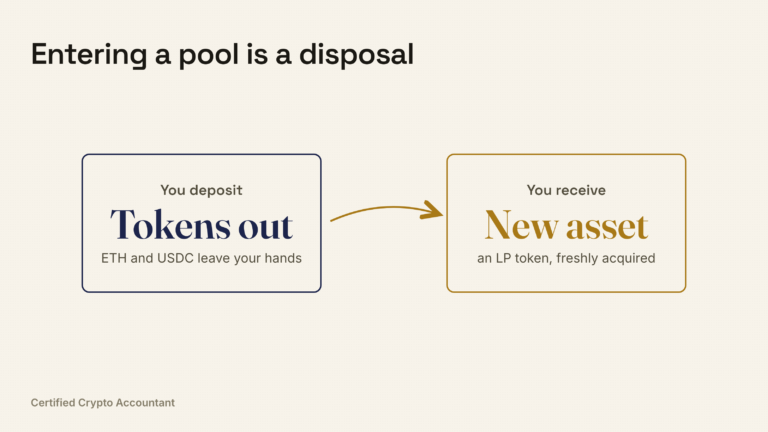
Adding and removing crypto from a liquidity pool can each be a taxable disposal under HMRC rules. How LP tokens, impermanent loss and rewards are taxed in the UK.

DeFi tax in the UK explained: lending, staking, liquidity pools and yield. Where HMRC guidance draws the line between income and Capital Gains, with examples.

Moving crypto between your own wallets is not taxable in the UK, but it wrecks your cost basis if unmatched. How to keep transfers from inflating your gains.

Key UK crypto tax dates for 2025/26: Self Assessment registration, the 31 January filing and payment deadline, and what happens if you miss them.

Yes, Coinbase shares UK customer data with HMRC, and CARF widens it from 2026. What HMRC sees, what it means for you, and how to get ahead of a nudge letter.

Form 1099-DA is a US tax form, but UK residents on Coinbase or Kraken can receive one. What it means, why it does not set your UK tax, and what HMRC still needs.
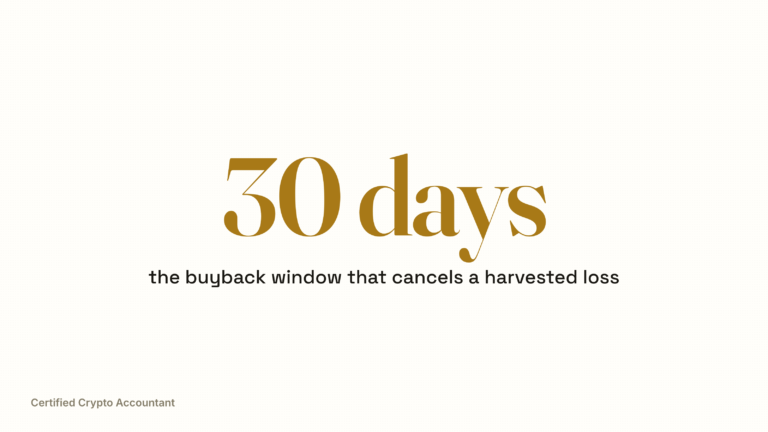
Crypto loss harvesting can legally cut your UK Capital Gains Tax, but the 30-day bed and breakfasting rule catches most people. How to do it properly for HMRC.