Donating crypto to charity is not always the cheaper route
Donating crypto to charity in the UK can be free of Capital Gains Tax and may cut your Income Tax. How the relief works and how to claim it correctly with HMRC.


Donating crypto to charity in the UK can be free of Capital Gains Tax and may cut your Income Tax. How the relief works and how to claim it correctly with HMRC.

Leaving the UK with crypto? Temporary non-residence rules can still pull your gains back to HMRC. What to check before you go and how the five-year rule works.

Splitting crypto in a UK divorce: transfers between spouses, the no gain no loss window, and the Capital Gains Tax traps that catch couples after separation.
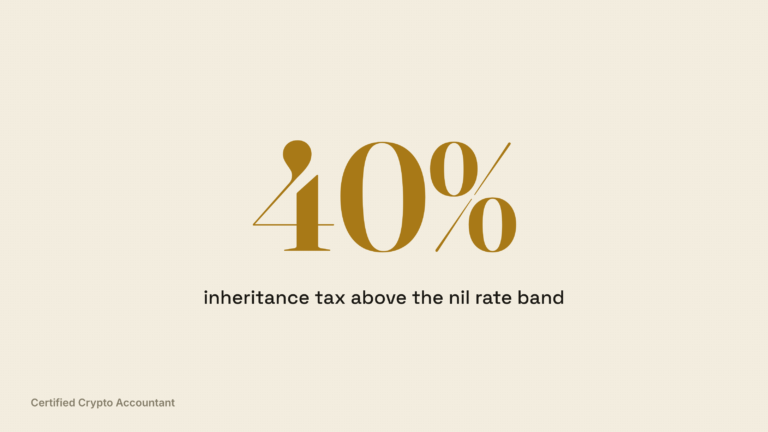
Crypto counts towards your estate for UK Inheritance Tax at 40 percent. How HMRC values it, what your executors need, and the planning that reduces the bill.

Gifting crypto in the UK is usually a disposal for Capital Gains Tax, even with no cash changing hands. When it is taxed, when it is not, and the spouse exemption.
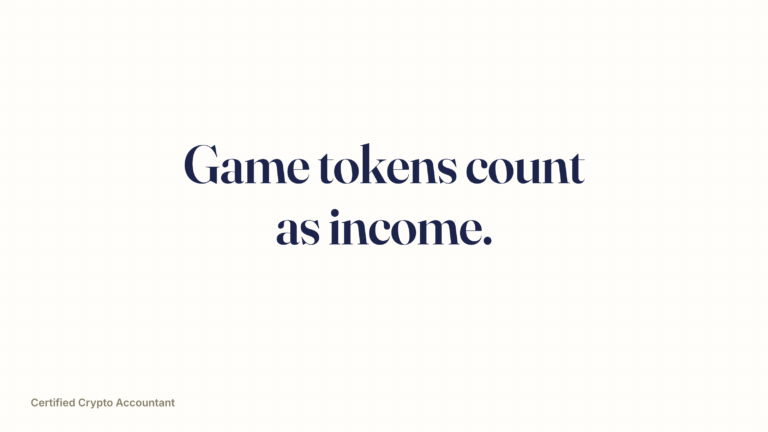
Play-to-earn crypto and in-game token rewards are taxable in the UK. When they count as income, when as capital gains, and how HMRC expects you to report them.

How HMRC taxes NFTs in the UK: Capital Gains Tax on disposals, Income Tax for creators and traders, and the record keeping most NFT holders miss.

Paid in crypto in the UK? It is taxed as income at receipt, then again for Capital Gains when you sell. How to report salary or freelance crypto to HMRC.

Crypto airdrops can be Income Tax at receipt or only Capital Gains on disposal, depending on why you received them. How HMRC decides, and how to report airdrops.

Crypto mining is taxed in the UK as income, then Capital Gains on disposal. Hobby vs business, allowable costs, and how to report mining income to HMRC.